Guides
Start here for definitions, process, and how performance testing fits a release cycle.
The guides are the long-form spine of the blog. If you are new to the subject, Performance testing: the complete guide covers the vocabulary, the test types and the process end to end, and What is load testing? and What is a virtual user? fill in the two terms every conversation with a vendor turns on. What is website performance, and why does speed matter? is the one to send to a stakeholder who asks why any of this deserves budget.
Two guides are about how the work fits a team. Where does performance testing fit in an agile release cycle? looks at when in a sprint the testing should happen and what it should gate, and Playwright for performance testing answers the question engineers ask once Playwright is already in the repo: can it drive virtual users, and where does it stop.
If you would rather follow a sequence, the beginner's guide publishes two parts a week, from first principles through to running and reading your own tests.
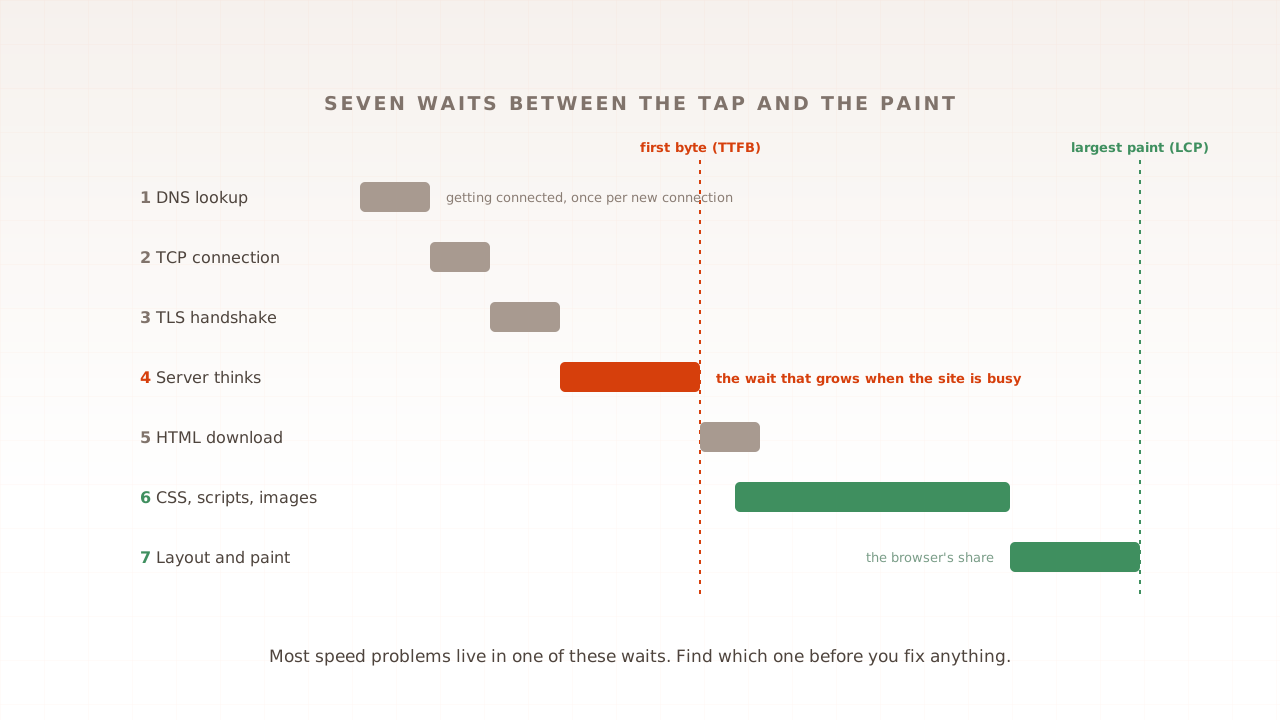
What happens when a web page loads: DNS, TLS, TTFB and render
Between the tap and the paint there are seven waits, and most speed problems live in exactly one of them. The browser looks up the address, opens a connection, secures it, waits for the server, downloads the page, fetches everything the page asks for, and paints. Learn the order and you can find the slow one.
Ahmad Farzan ·
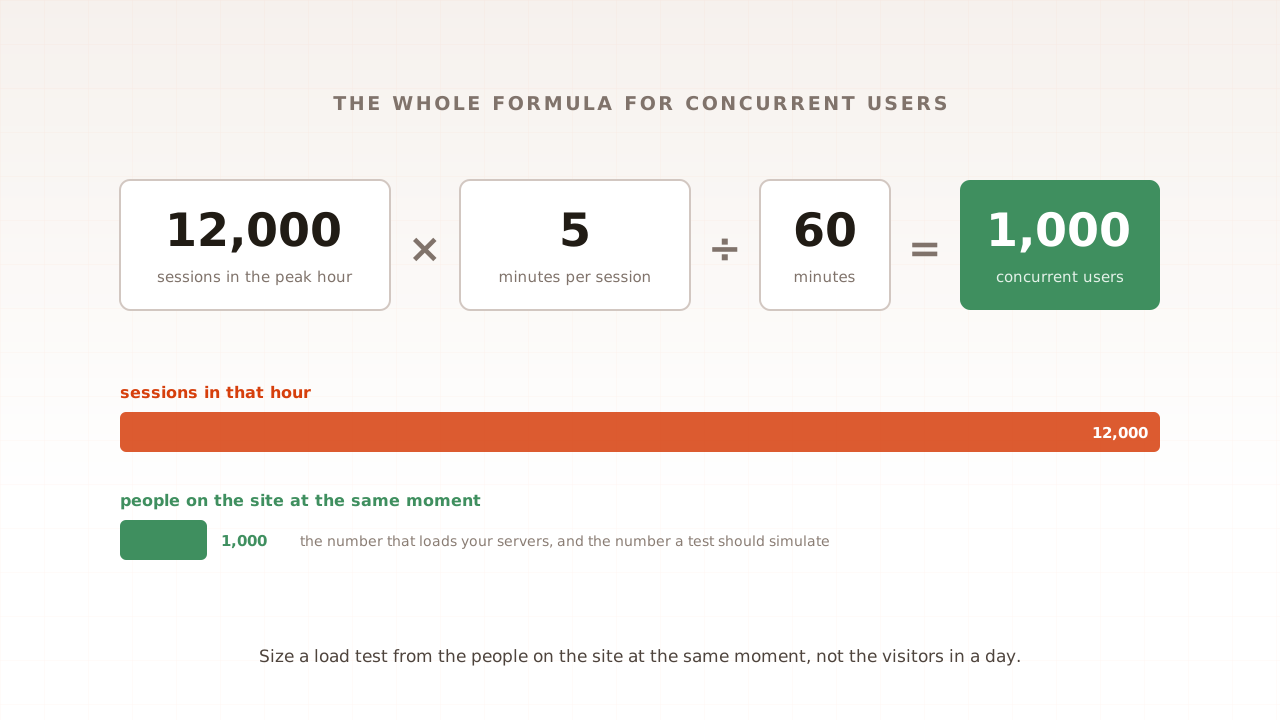
How many concurrent users can my website handle? (with calculator)
Visitors per hour multiplied by session length. That is the whole formula for concurrent users, and most teams have never run it. It tells you how many people are on your site at the same moment, which is the number that loads your servers. How many your site can handle is a second question, and no server specification can answer it.
Ahmad Farzan ·
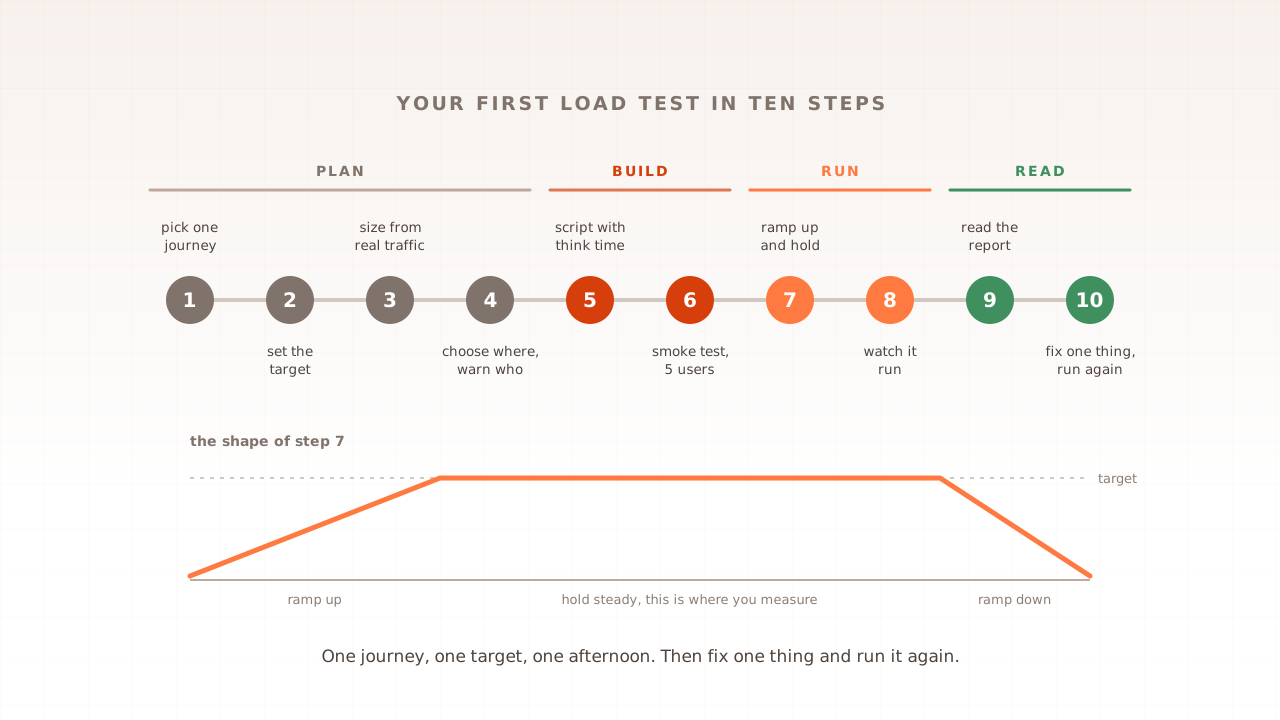
How to load test a website: your first test, step by step
Your first load test should take an afternoon, not a quarter. Pick the one journey that earns money, write down what passing means, size the test from your own analytics, tell the people who need telling, then run a small test before the real one. This guide follows one online store through all ten steps, with the numbers at each.
Ahmad Farzan ·
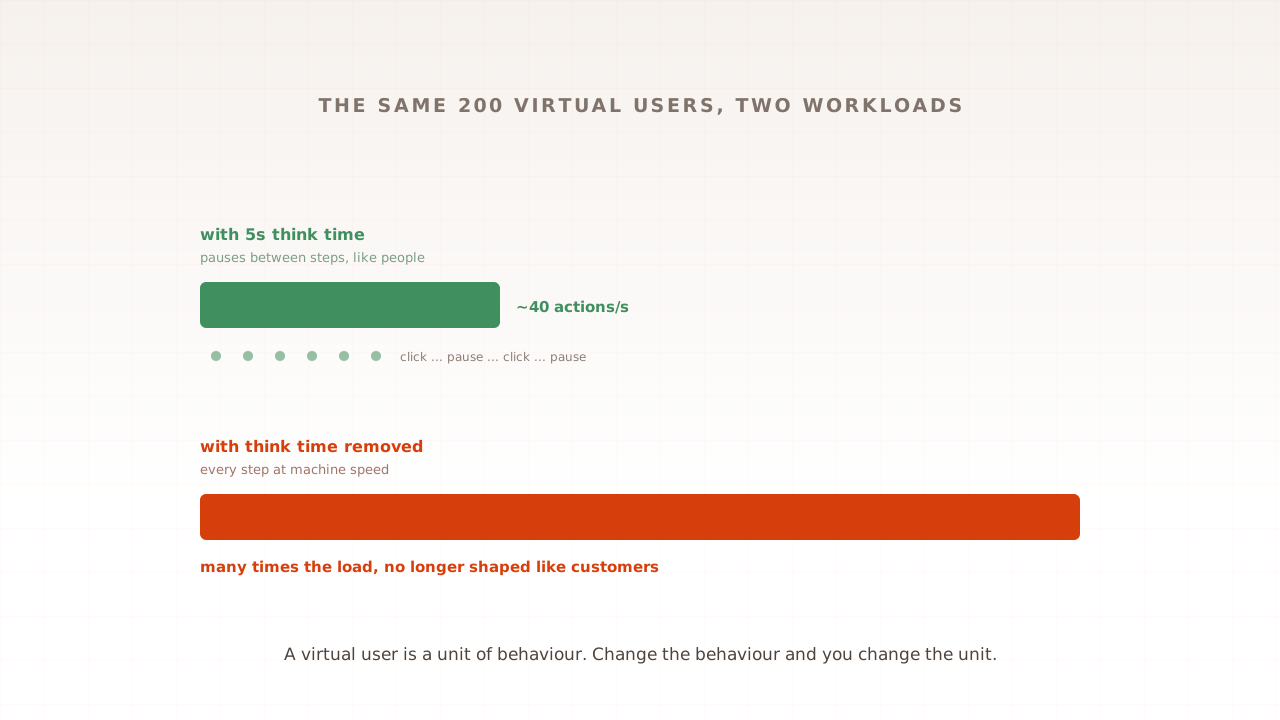
What is a virtual user?
A virtual user is a simulated visitor that a load testing tool runs through your site: browsing, pausing, adding to cart, checking out, independently of every other simulated visitor. Get this one definition right, including what a virtual user is not (a person, a request, or your daily traffic), and most first load tests stop going wrong.
Ahmad Farzan ·
What is website performance, and why does speed matter?
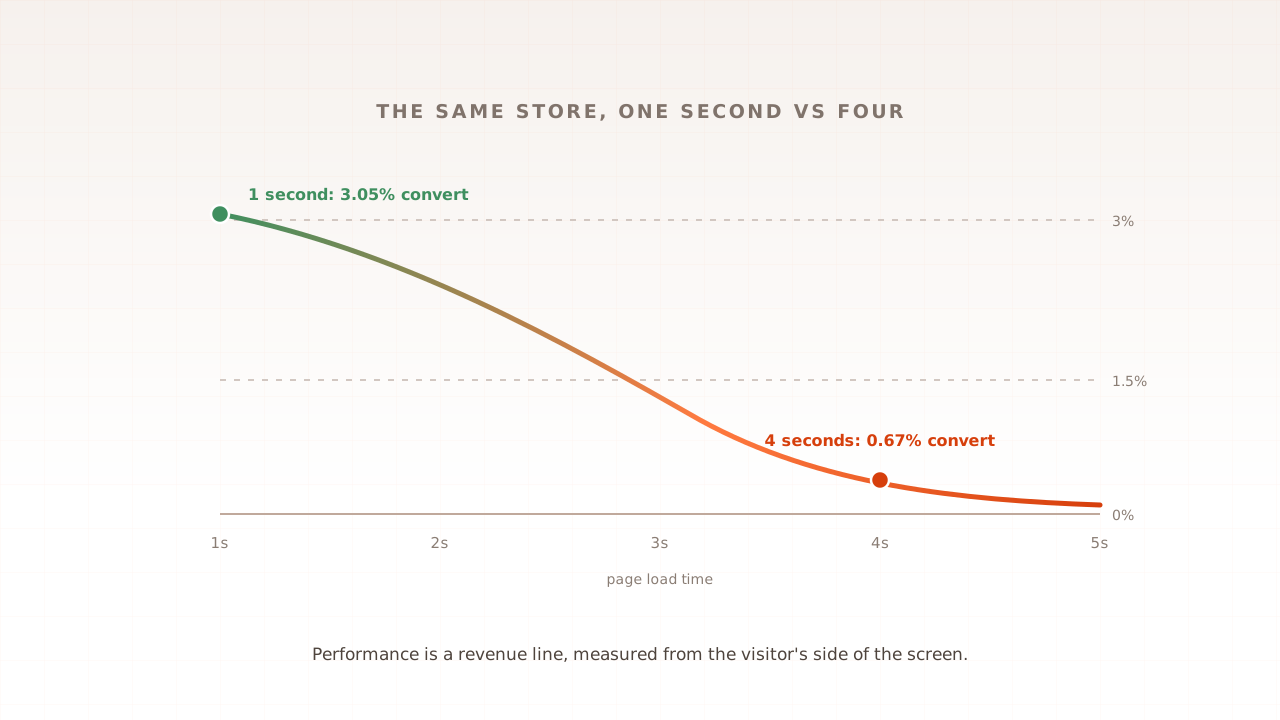
Website performance is what your site feels like to the person using it: how fast pages appear, how quickly they respond, and whether that holds when traffic arrives. It matters because the costs are measurable. Slow pages convert visitors at a fraction of the rate of fast ones, and search rankings lean toward sites that feel good to use.
Ahmad Farzan ·
What is load testing?
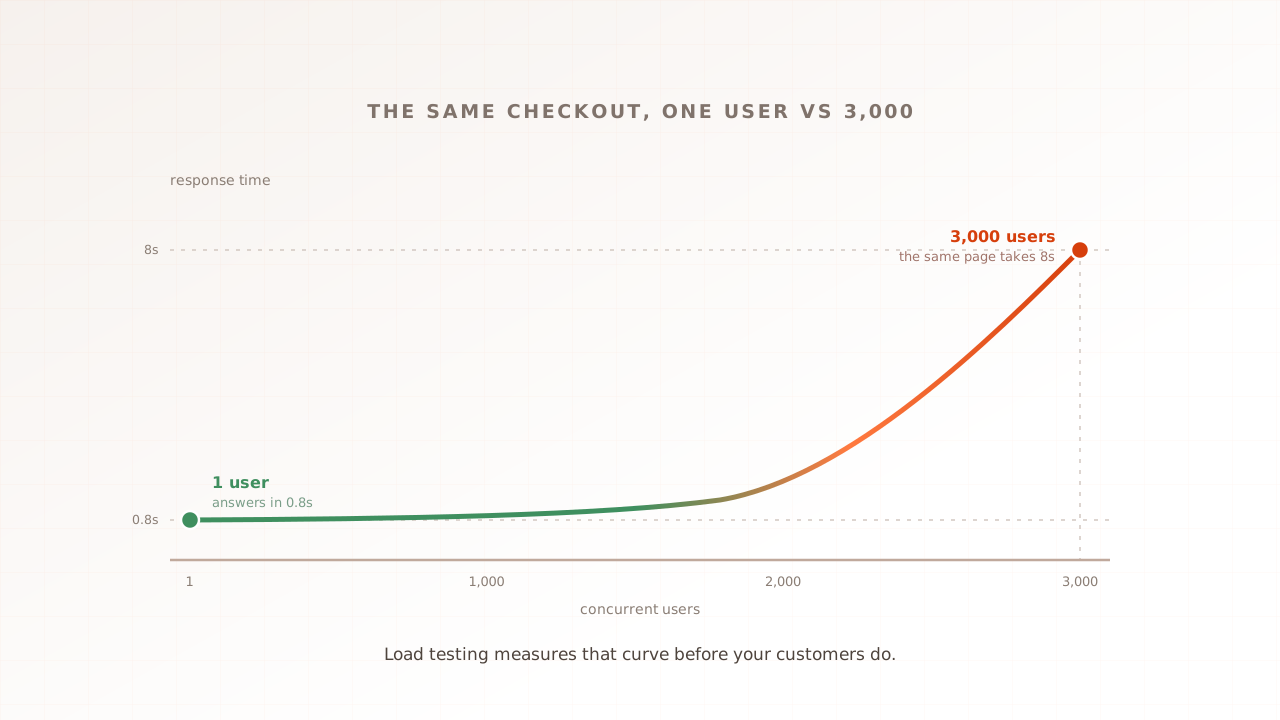
Load testing tells you what happens to your site when real traffic shows up at once. This guide explains what it is, why slow pages cost conversions, how a test actually runs, and how to size your first run, with no prior testing background assumed.
Ahmad Farzan ·
Playwright for performance testing: can a browser automation tool drive virtual users?
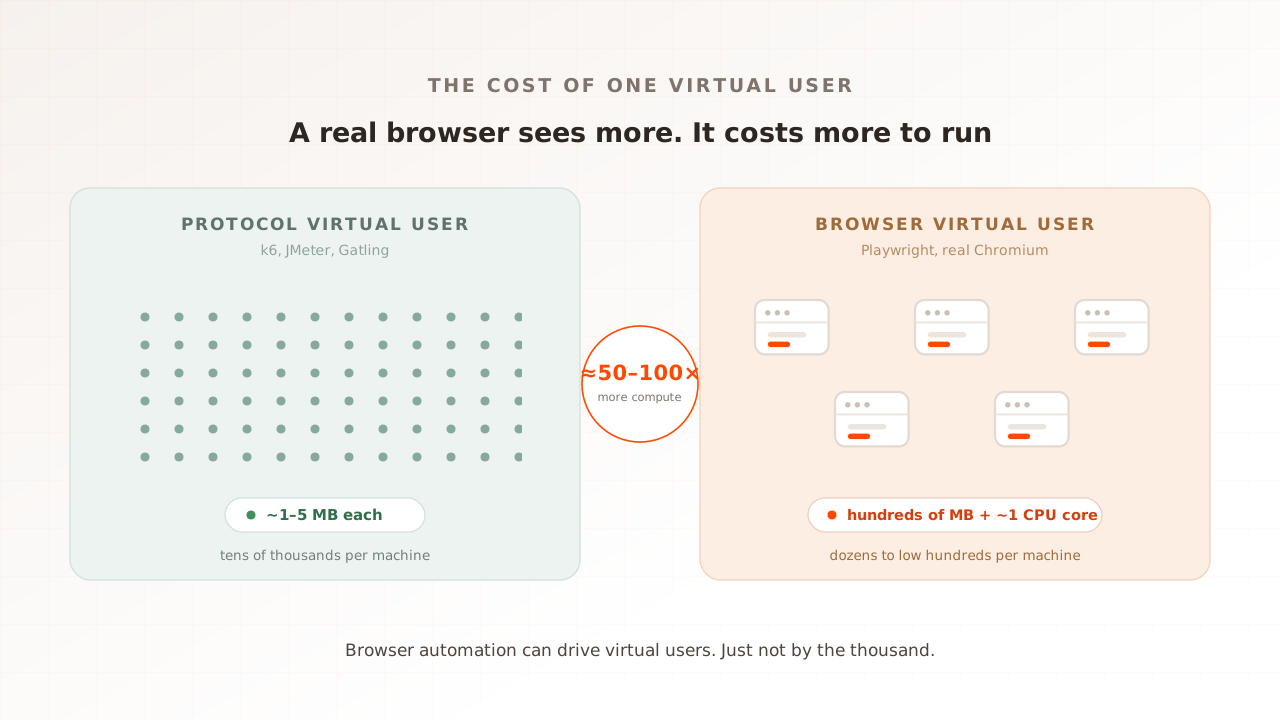
You already know Playwright for end-to-end tests. Can you reuse it for performance testing and call each browser a virtual user? You can, but a real browser is expensive to run, so it drives a handful, not a flood. Here is how far Playwright scales, and where you reach for a different tool.
Ahmad Farzan ·
Where does performance testing fit in an agile release cycle?
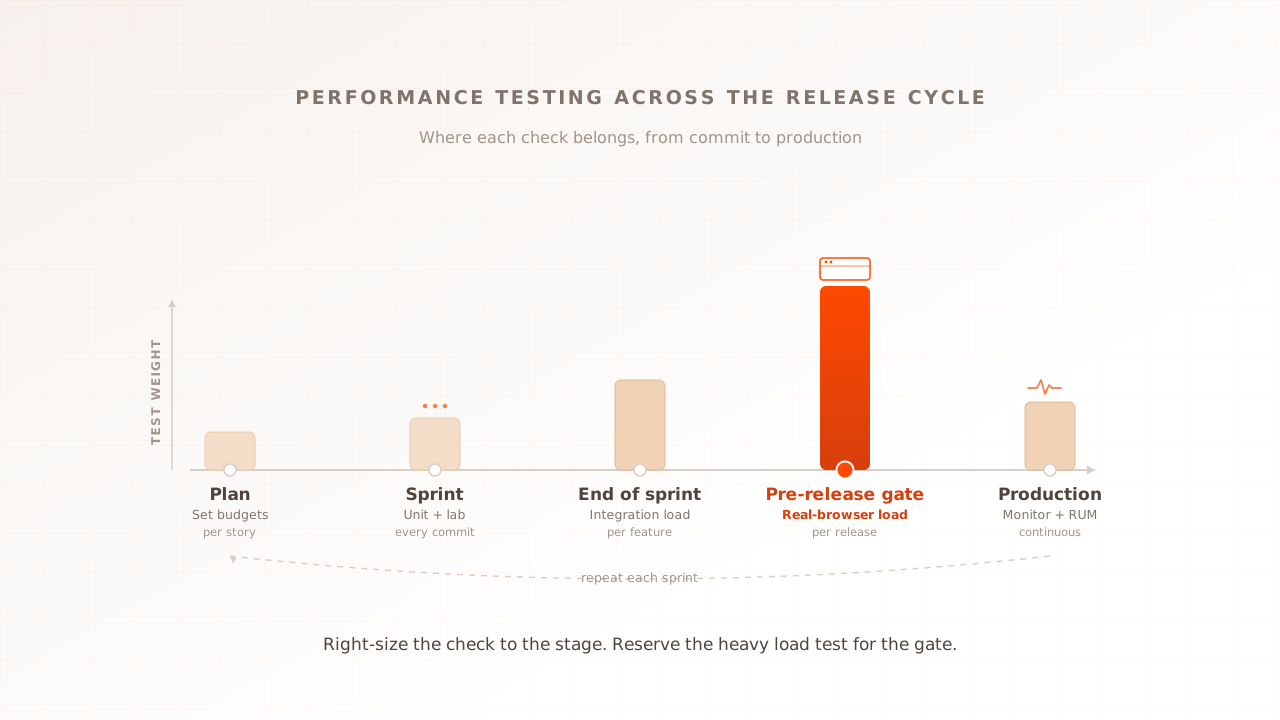
Agile teams ship every week, sometimes every day. Performance testing built for a quarterly release does not fit that rhythm, so it slides to the end, then to never, until production buckles. It does not have to. This guide maps each performance test to a stage: cheap checks every commit, a real-browser load test at the pre-release gate, monitoring after.
Ahmad Farzan ·
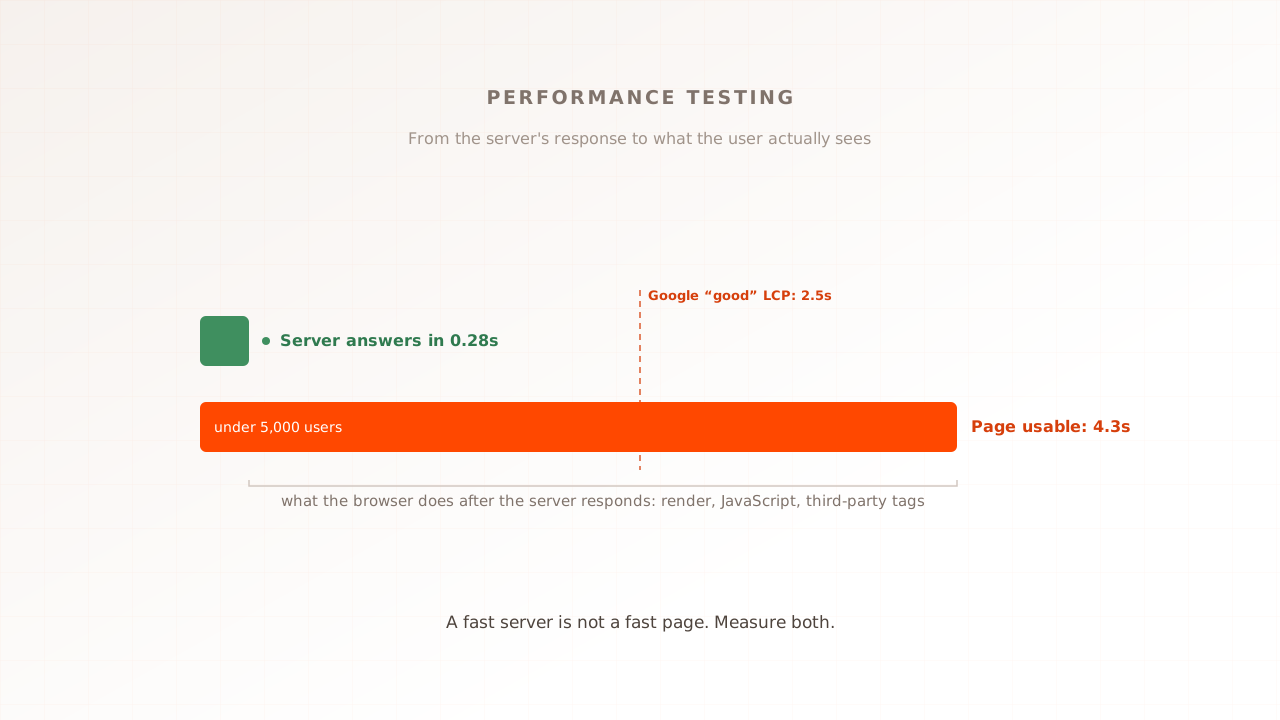
Performance testing: the complete guide
Your server can answer in 50 milliseconds and still ship an eight-second page. Performance testing measures both backend behavior and the browser-rendered experience under controlled load. This guide maps the whole discipline: the types, the metrics that matter, the process, and how to choose between protocol-level and real-browser tools.
Ahmad Farzan ·